
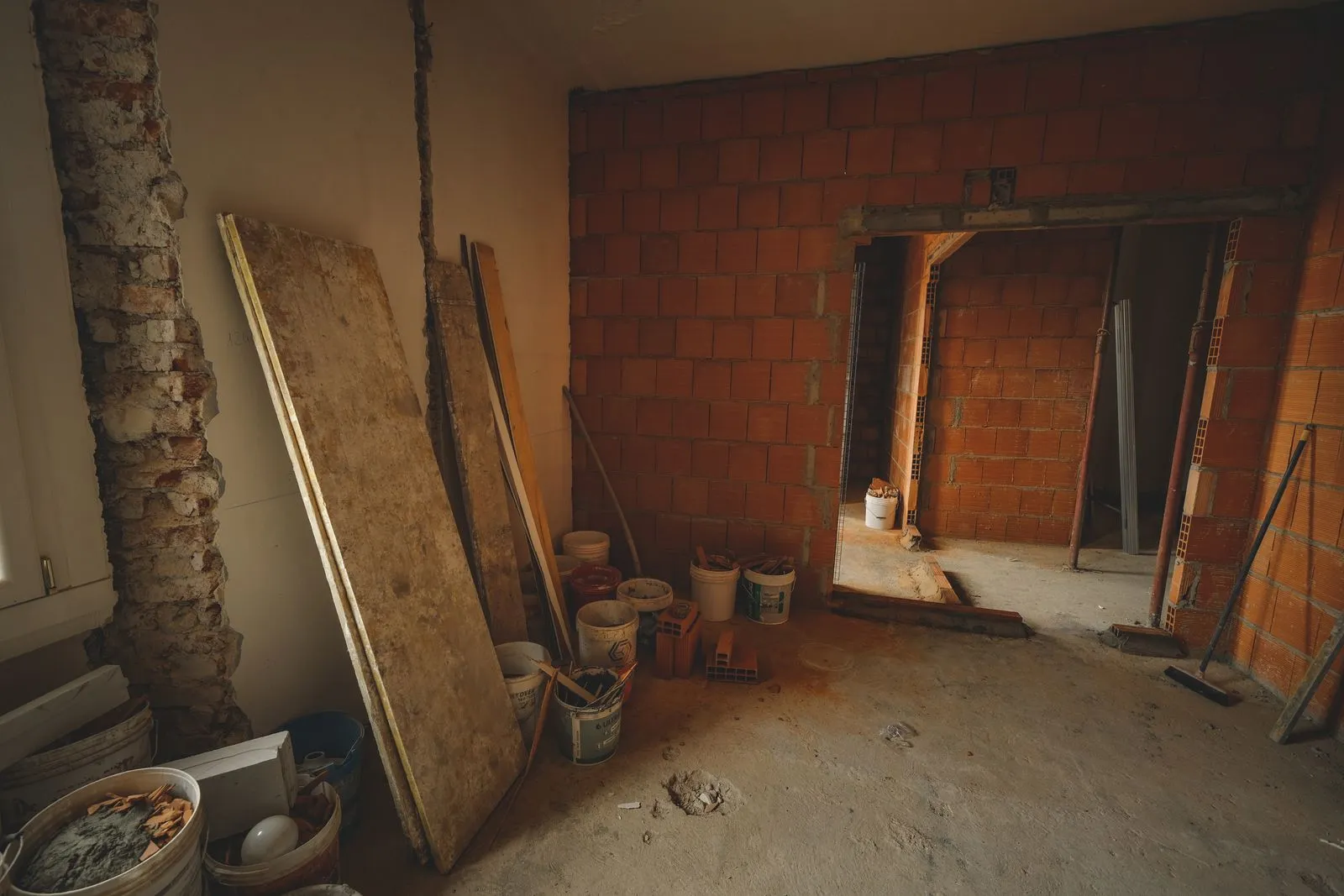
Once renovation debris leaves a property, it does not all follow the same route. Its next destination depends on what the load contains, how well materials are separated, and what local facilities can accept. Wood, metal, concrete, drywall, and mixed waste may each need different handling. Understanding the usual steps helps you prepare a cleaner load, ask useful questions of your removal provider, and avoid assuming that every collected item will be recycled.
Sorting Comes First
A collected load may be checked and sorted at a transfer station, recycling facility, or other authorized site. Workers or equipment separate materials that can be handled on their own from mixed waste. The exact process varies by facility, load size, material condition, and local rules.
Keeping materials separate during a renovation can make this stage easier. Place clean wood, metal, concrete, and cardboard in distinct piles when practical. Keep them clear of food waste, insulation, paint, and other contaminants. Ask your removal provider which materials need separate collection before placing them in a container.
Materials That May Be Recovered
Some materials may be directed to recycling or recovery routes. Metals can be sorted by type, while concrete and masonry may be processed for use as aggregate where facilities accept them. Clean, suitable wood may be reused or processed, and cardboard can be recycled if it is kept dry and free of heavy contamination.
Recovery is not guaranteed just because a material is technically recyclable. It must meet the receiving facility’s requirements, and a usable market or processing route must be available. Painted, treated, wet, mixed, or damaged materials may have fewer options. Check local acceptance rules instead of relying on a general recycling label.
Reuse and Disposal Routes
Usable fixtures, doors, cabinets, or leftover building materials may be suitable for reuse if they are intact and safe to handle. Reuse might involve direct transfer to another project or a suitable reuse organization. Separate these items before collection and confirm that the recipient accepts their condition and type.
Materials that cannot be reused or recycled may go to an approved disposal facility, subject to local requirements. Some debris needs special handling, especially if it may contain hazardous substances. Do not place suspected asbestos, chemicals, or other hazardous waste in a general debris load; seek qualified guidance on identification and disposal.
How to Ask Better Questions
Before booking removal, describe the materials and approximate volume as clearly as you can. Ask whether the provider separates loads, what materials they cannot accept, and whether they can explain the usual routes for major material types. A clear answer should distinguish between what may be recovered and what is actually confirmed for your specific load.
To improve handling, keep debris accessible, separate clean materials where possible, and label anything that needs special attention. Avoid mixing household rubbish with construction materials unless the provider says it is acceptable. Cork Clear Haul can explain collection requirements for your job, but the receiving facility and material condition ultimately affect what happens next.
Renovation debris may be reused, recycled, processed, or disposed of, depending on its condition and the options available locally. Separating materials and checking acceptance rules can make the route clearer before collection. Contact your removal provider with a list of debris types to discuss practical next steps.